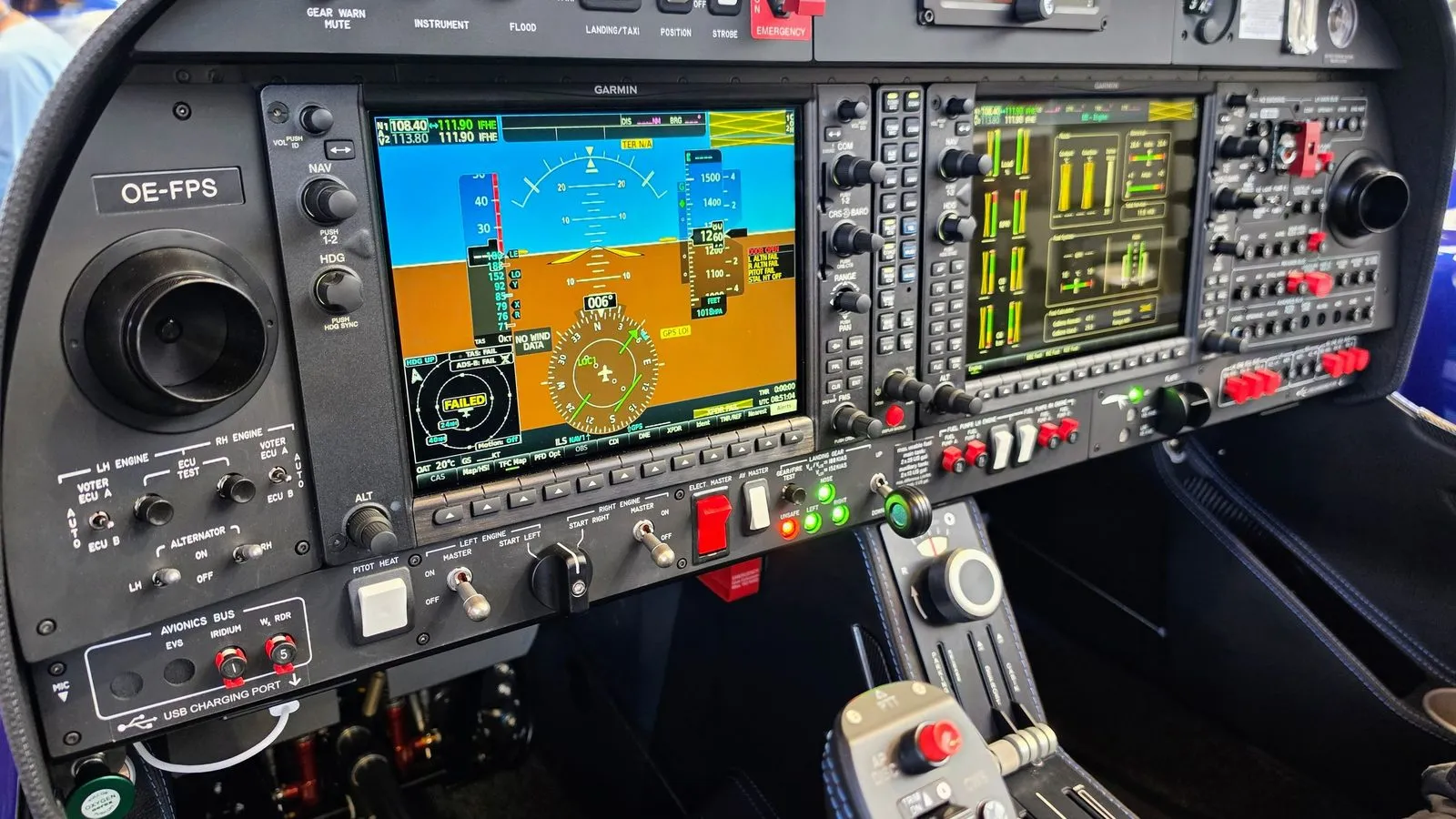
Under 14 CFR 91.213, you can take off with inoperative instruments or equipment only in one of three ways: under an approved Minimum Equipment List (MEL) and its letter of authorization, under the no-MEL provisions of 91.213(d), or under a special flight permit. Paragraph (d) does not cover turbine-powered airplanes at all, so a jet or turboprop needs an MEL to fly with anything inoperative. Whichever path applies, the item has to be dealt with (removed, or deactivated and placarded), the right person has to make the right record, and the defect has to stay visible to the next crew.
What does 91.213 actually allow?
The rule opens with a prohibition. Paragraph (a) says no person may take off an aircraft “with inoperative instruments or equipment installed” unless the conditions for an approved MEL are met, “except as provided in paragraph (d).” Paragraph (e) adds that an aircraft with inoperable equipment “may be operated under a special flight permit issued in accordance with §§ 21.197 and 21.199.”
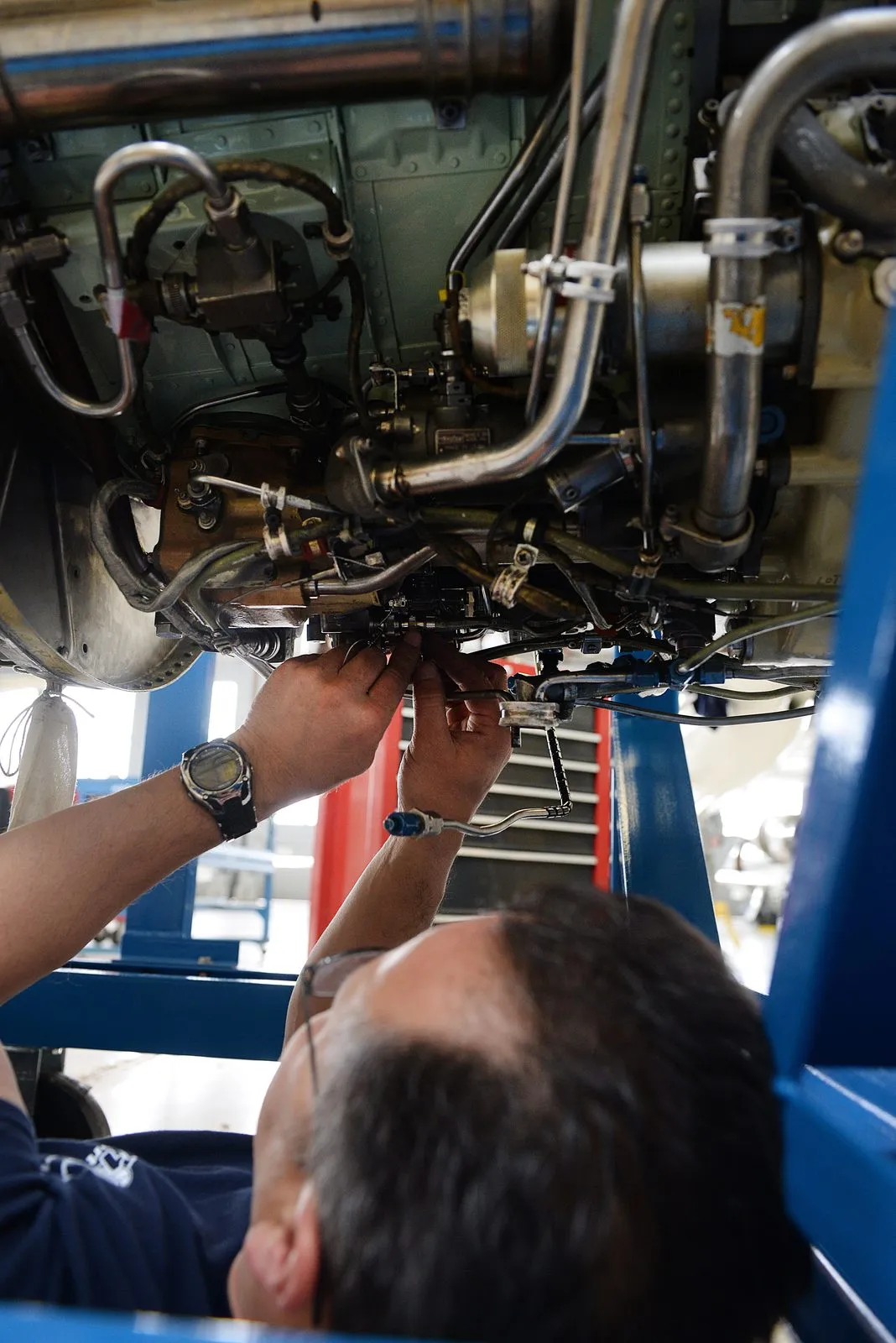 Photo: Senior Airman Joshua Eikren, U.S. Air Force (public domain)
The FAA’s guidance, AC 91-67A (dated October 16, 2023), lists the same three methods:
| Method | Rule | Who it fits |
|---|---|---|
| MEL plus letter of authorization (LOA) | 91.213(a) | Any Part 91 aircraft with an MMEL for its type; required in practice for turbine airplanes |
| No MEL | 91.213(d) | Only certain non-turbine airplanes, rotorcraft, gliders, balloons and similar aircraft |
| Special flight permit | 91.213(e), 21.197 | A specific flight, usually to get the aircraft to where it can be repaired |
AC 91-67A also says: “Except as provided in § 91.213(d) and (e) … an aircraft is not airworthy when any item that is not included in the MEL is inoperative.” If the item isn’t covered by one of the three paths, the aircraft doesn’t go.
Can my aircraft use 91.213(d) at all?
Check this first, because it rules out a lot of business aviation. Under 91.213(d)(1), the no-MEL path is open only to:
- a rotorcraft, non-turbine-powered airplane, glider, lighter-than-air aircraft, powered parachute, or weight-shift-control aircraft for which a master minimum equipment list (MMEL) has not been developed; or
- a small rotorcraft, non-turbine-powered small airplane, glider, or lighter-than-air aircraft for which an MMEL has been developed.
Under AC 91-67A, aircraft that “may not be operated under § 91.213(d)” include “turbine-powered airplanes,” large rotorcraft for which an MMEL has been developed, and large non-turbine-powered airplanes for which an MMEL has been developed.
91.213(d) opens with a further limit: it applies “except for operations conducted in accordance with paragraph (a) or (c).” If you hold an MEL for the aircraft, you use the MEL. Paragraph (c) adds that a person authorized to use an MEL issued under Part 91 subpart K, Part 121, 125 or 135 “must use that Minimum Equipment List.”
A Part 91 flight department flying a jet or turboprop can’t defer anything without an MEL.
The 91.213(d) decision flow, step by step
If your aircraft is eligible, this is the sequence the rule requires before takeoff. It follows 91.213(d)(2) through (d)(4) in order, with the AC 91-67A guidance added where it applies. Stop at the first “no.”
- Is the aircraft eligible under (d)(1)? See the section above. A turbine-powered airplane is not. If not eligible, you need an MEL or a special flight permit.
- Do you hold an MEL for this aircraft? If yes, use it instead (paragraphs (a) and (c)). The rest of this list does not apply.
- Is the item part of the VFR-day type certification instruments and equipment? These are the items the airworthiness regulations the aircraft was type certificated under require for VFR day flight. If yes, you can’t defer it. (91.213(d)(2)(i))
- Is it indicated as required on the aircraft’s equipment list, or on the Kinds of Operations Equipment List (KOEL) for the flight you’re about to make? If yes, stop. AC 91-67A notes that equipment required by the KOEL for a particular kind of operation (VFR, IFR, day or night) “may not be deferred for that operation.” (91.213(d)(2)(ii))
- Is it required by 91.205, or by any other rule in Part 91, for this kind of flight? A landing light at night when the aircraft is operated for hire (91.205(c)(4)), a transponder in airspace that requires one, or the instruments 91.205 lists for IFR are examples. If yes, stop. (91.213(d)(2)(iii))
- Is it required to be operational by an airworthiness directive? Check the AD status, not memory. If yes, stop. (91.213(d)(2)(iv))
- Remove it, or deactivate and placard it. Either remove the item, placard the cockpit control and record the maintenance under 43.9; or deactivate the item and placard it “Inoperative.” If deactivation involves maintenance, it must be done and recorded under Part 43. (91.213(d)(3))
- Make the hazard determination. A pilot “certificated and appropriately rated under part 61,” or a person “certificated and appropriately rated to perform maintenance on the aircraft,” must determine that the inoperative item “does not constitute a hazard to the aircraft.” (91.213(d)(4))
- Decide whether this flight still makes sense. The rule stops at step 8, but AC 91-67A recommends a safety risk analysis first, covering failure effects, how multiple failures interact, weather, night, the route and airports, diversion options, crew workload and fatigue.
When all of that is done, the rule treats the aircraft as “in a properly altered condition acceptable to the Administrator.” Under 91.405(c), the owner or operator must also have the item “repaired, replaced, removed, or inspected at the next required inspection.”
MEL vs 91.213(d): how operating with an MEL differs
An MEL is built from the MMEL for the aircraft’s make, model and series, and the FAA approves it through a letter of authorization. Under 91.213(a)(2), “the Minimum Equipment List and the letter of authorization constitute a supplemental type certificate for the aircraft.” For Part 91, AC 91-67A describes two forms: LOA D095 (the LOA, the type’s MMEL and an operator procedures document) and LOA D195 (the LOA and an operator-developed MEL based on the MMEL). The LOA is issued to the operator with operational control of the aircraft, so a dry lessee can’t use the lessor’s.
| Question | With an MEL (91.213(a)) | Without an MEL (91.213(d)) |
|---|---|---|
| Which aircraft | Any type with an MMEL, including turbine airplanes | Only the aircraft listed in (d)(1) |
| What can be deferred | Only items the MEL lists, under its conditions | Items not excluded by (d)(2) |
| Procedures | (M) maintenance and (O) operations procedures in the MEL must be done before flight | Remove, or deactivate and placard |
| Repair deadline | Any repair interval in the MEL proviso, or the next required inspection, whichever is first | Next required inspection (91.405(c)) |
| Record available to the pilot | Required by 91.213(a)(4) | Maintenance entry under Part 43 for removal or deactivation |
| Approval needed | LOA from the responsible Flight Standards office | None (AC 91-67A: “No application … is required”) |
Two MEL details catch crews out. AC 91-67A says “an aircraft must not takeoff with inoperative items until the MEL deferral process has been completed,” so if the MEL requires a mechanic’s inspection, you wait for it. And the MEL and LOA must be accessible to the pilot in command: “Indirect methods of MEL and LOA access, such as telephone, radio, or data link, are not acceptable.” The MMEL repair categories A through D don’t apply to a Part 91 MEL, but any repair interval written into a proviso does.
Finally, an MEL can’t override an operating rule or an AD. If an AD requires an item to be operative, it has to work even when the MEL would allow deferral.
Who can placard, deactivate and sign for the work?
The rule and the AC split the jobs like this:
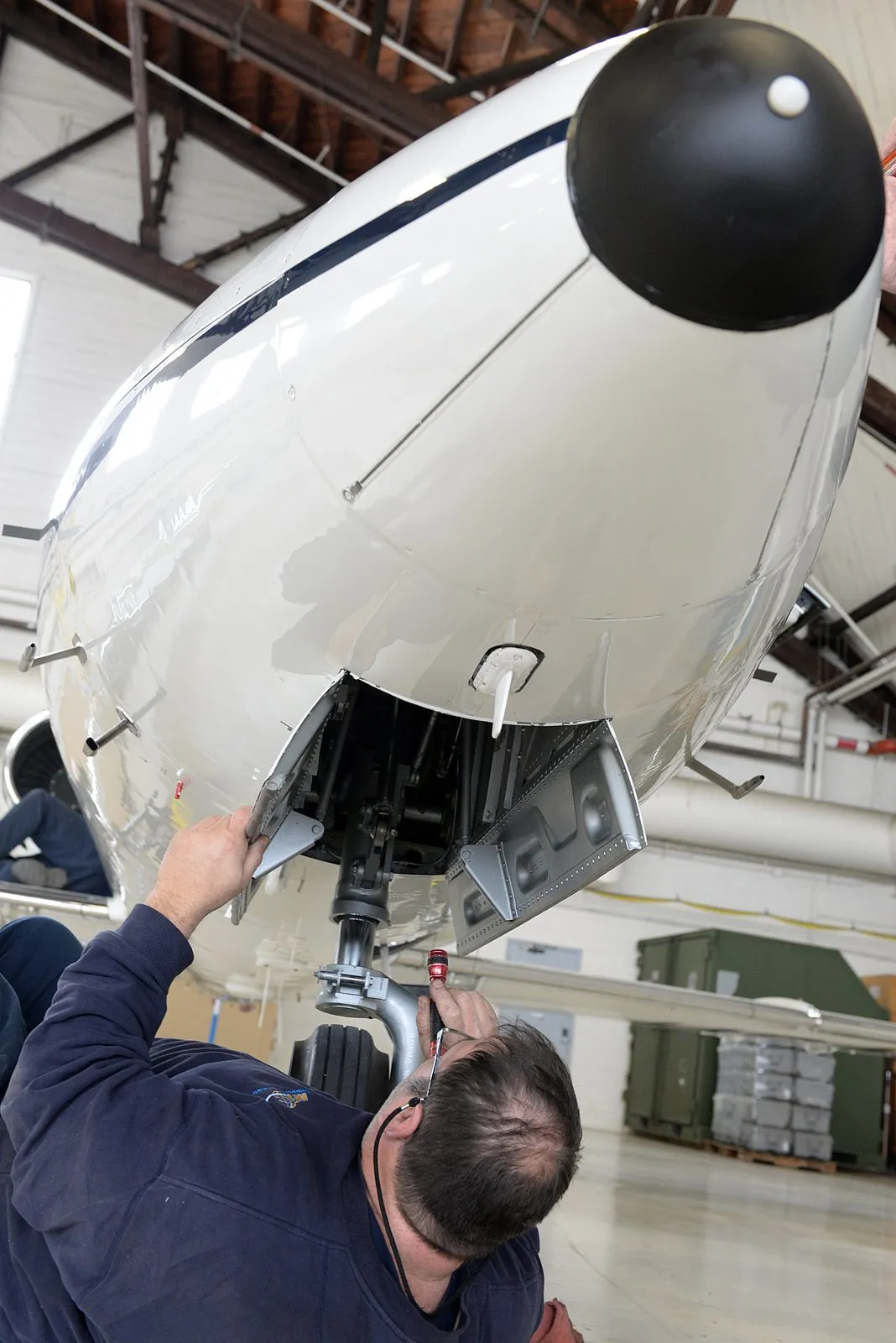 Photo: Senior Airman Joshua Eikren, U.S. Air Force (public domain)
| Task | Who may do it | Source |
|---|---|---|
| Hazard determination | A pilot certificated and appropriately rated under Part 61, or a person certificated and rated to maintain the aircraft | 91.213(d)(4) |
| Placard “Inoperative” | Required on each deferred item; AC 91-67A lets the operator set wording and location unless an MEL proviso specifies them | 91.213(d)(3), AC 91-67A |
| Deactivation | “An appropriately authorized person”; the AC says deactivation “is not preventive maintenance as described in part 43 appendix A” | AC 91-67A 4.2.2, 43.3 |
| Record of removal or deactivation | A person authorized to approve the aircraft for return to service under 43.7 makes the 43.9 entry | AC 91-67A 4.2.1 and 4.2.2 |
| Placards at an inspection | The person doing the inspection placards items permitted to be inoperative and lists them | 43.11(b) |
AC 91-67A notes that deactivation “may involve more than simply turning off a system switch,” and says “No person may operate the aircraft without the entry required by § 43.9.” A pilot-owner who can do preventive maintenance under 43.3(g) can’t treat deactivation as preventive maintenance and skip the mechanic.
Removal has its own list in the AC: the 43.9 entry, weight and balance and equipment list changes if required, a placard on the cockpit control, an FAA Form 337 when appropriate, and approval for return to service. Placards must be “legible and visible to the flightcrew,” next to the affected control or indicator where practical.
What must the logbook entry contain?
For maintenance (including removal and any deactivation that is maintenance), 43.9(a) requires:
- a description of the work performed, or a reference to data acceptable to the Administrator;
- the date the work was completed;
- the name of the person who did the work, if different from the person approving it;
- if the work was performed satisfactorily, “the signature, certificate number, and kind of certificate held by the person approving the work.”
For inspections under Part 91, 43.11(b) adds that the inspector gives the owner or lessee “a signed and dated list of those discrepancies,” placards each item permitted to be inoperative under 91.213(d)(2), and adds those items to the list. Under 91.417(b)(3), that list is kept “until the defects are repaired and the aircraft is approved for return to service.” The owner’s side of the same duty is in 91.405(d): when listed discrepancies include inoperative equipment, ensure the placard is installed.
With an MEL, the record also has to reach the cockpit. 91.213(a)(4) requires that “the aircraft records available to the pilot must include an entry describing the inoperable instruments and equipment.” AC 91-67A allows a discrepancy log carried in the aircraft instead of the logbooks, provided the operator keeps that log as part of the aircraft’s records.
How is this different for Part 135 and Part 91K?
Part 135 has its own rule, 14 CFR 135.179, and unlike 91.213 it has no counterpart to paragraph (d). To take off with inoperable instruments or equipment installed, a certificate holder needs:
- an approved MEL for the aircraft;
- operations specifications from the responsible Flight Standards office authorizing operations under it, with the flight crew having “direct access at all times prior to flight to all of the information contained in the approved Minimum Equipment List”;
- an MEL prepared within the limits of 135.179(b) that provides for operating with those items inoperative;
- records identifying the inoperable items, available to the pilot;
- operation under all of the MEL’s conditions and limitations.
The only other path in the rule is a special flight permit under 135.179(c). A charter operator without an MEL in its OpSpecs can’t defer an inoperative item on a 135 flight the way a piston owner can under 91.213(d). If the same aircraft flies under both parts, confirm with your principal inspector how your authorizations apply to each.
Fractional programs under Part 91 subpart K have a matching rule, 91.1115, which ties MEL use to the program manager’s management specifications. For more on how the three operating parts differ, see Part 91 vs Part 135 vs Part 91K.
Records checklist for inoperative equipment
Use this as a check before the aircraft leaves with anything deferred:
- The path is identified: MEL item number, 91.213(d), or a special flight permit.
- For 91.213(d): the item is not VFR-day type certification equipment, not required by the equipment list or KOEL for this flight, not required by 91.205 or another Part 91 rule, and not required by an AD.
- For an MEL: the item is listed, the MEL and LOA (or OpSpecs) are on board or directly accessible, and any (M) and (O) procedures are done.
- The item is removed, or deactivated and placarded “Inoperative,” with a legible placard next to the control or indicator.
- A 43.9 entry exists for removal or deactivation: description, date, and the approving person’s signature, certificate number and kind of certificate.
- Weight and balance and the equipment list are updated if anything was removed.
- The hazard determination was made by a rated pilot or a certificated maintenance person, and you know who.
- The discrepancy record is available to the pilot in command.
- The repair deadline is tracked: the MEL proviso interval, or the next required inspection.
- Any inspector’s discrepancy list is kept until the items are repaired and the aircraft is returned to service.
If maintenance tracking is still spread across logbooks and spreadsheets, our guide to aircraft maintenance tracking covers what to keep in one place.
Frequently asked questions
Can a Part 91 corporate jet fly with inoperative equipment without an MEL?
No. 91.213(d) is limited to the aircraft listed in (d)(1), and AC 91-67A says turbine-powered airplanes may not be operated under it. Without an MEL, the options are to repair the item or obtain a special flight permit.
Can the pilot deactivate an inoperative item?
A rated pilot can make the hazard determination under 91.213(d)(4). AC 91-67A says deactivation is not preventive maintenance, must be done by an appropriately authorized person, and needs a 43.9 entry by someone who can approve the aircraft for return to service.
How long can an item stay inoperative under 91.213(d)?
Until the next required inspection. 91.405(c) requires the item to be repaired, replaced, removed, or inspected at that inspection. With an MEL, a shorter repair interval in the proviso applies if there is one.
What if something fails after takeoff?
AC 91-67A says MEL relief does not apply to failures after takeoff. Handle the failure with the flight manual procedures, record it in the maintenance records, and repair or defer it before the next takeoff.
Keeping defects visible in Avion Desk
In Avion Desk, you log a defect against the aircraft, then defer it or ground the aircraft. When it’s cleared, the signer’s certificate number is kept with the record and stored encrypted. A trip is released only after its checks, the aircraft’s state and a risk assessment pass. See aircraft and maintenance and trip release. To try it, start a free trial and log your next open squawk against your own aircraft, or request a demo.
This article explains the rules in plain language and isn’t legal advice; the regulation text governs.